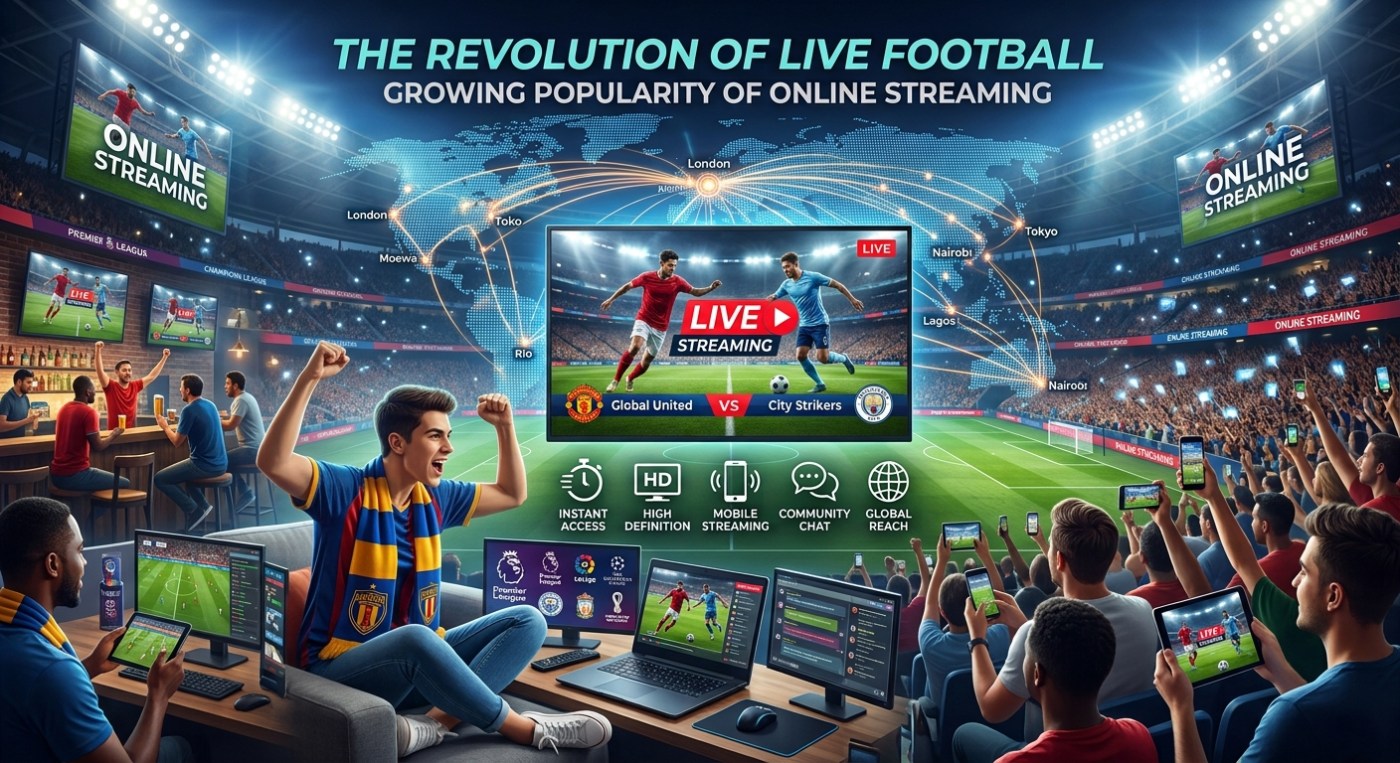
Football has always been easy to follow, but the way people watch it is changing. More fans now use phones, tablets, laptops, smart TVs, and streaming apps instead of relying only on traditional television. This shift has made online football streaming a regular part of matchday for millions of viewers.
The appeal is simple. Fans want to watch matches when and where it suits them. Someone may be at work during a lunchtime game, traveling during an evening fixture, or away from home when a major tournament starts. Online streaming gives viewers more ways to keep up.
At the same time, the growth of football streaming has raised questions about video quality, cost, access, device support, and legal viewing options. Understanding these changes helps fans choose services that fit the way they watch football.
Why Are More People Watching Football Online?
The biggest reason is convenience.
Traditional TV ties viewing to a television set and a broadcast schedule. Streaming removes much of that limit. A fan with a supported device and a reliable internet connection can watch from home, while traveling, or from another suitable location.
Many streaming services also offer features that fit modern viewing habits. Depending on the provider, viewers may get live matches, replay options, highlights, match alerts, multiple language choices, or access to related sports content.
Younger viewers have also grown up using on-demand video services. For them, watching sports online feels normal rather than unusual. Football has followed the same path.
Smartphones Have Changed Match Viewing
You don’t need a large television to follow a match anymore.
A smartphone can be enough for someone who wants to watch while away from home. Tablets provide a larger screen, while laptops are useful for fans who want to keep a match open while working or studying.
Smart TVs have also helped online football streaming move back into the living room. Many modern TVs support streaming apps directly, so viewers can enjoy internet-based broadcasts on a large screen without relying on a standard cable setup.
Streaming Gives Fans More Control
One reason online football streaming keeps growing is the extra control it can give viewers.
A traditional broadcast may offer a fixed viewing format. Online services can provide a wider set of options, depending on the rights holder and country.
A viewer may be able to switch between devices, pause content where permitted, watch a replay, or choose from different match-related features.
That flexibility matters during busy football seasons. A fan might follow a club match on Saturday, a European fixture on Tuesday, and an international game later in the week without using the same viewing setup each time.
Match Highlights Make Streaming More Useful
Not everyone can watch a full 90-minute match.
Some fans use streaming platforms mainly for highlights, goals, key moments, or post-match coverage. This fits people who have limited time but still want to know what happened.
Many official sports platforms now treat live matches and shorter video content as part of the same viewing experience. That gives fans more ways to follow a competition without sitting through every game.
Better Internet Has Helped Streaming Grow
Streaming depends heavily on internet access.
As broadband and mobile networks have improved, more people can watch high-quality video without the long waits and pauses that were common with slower connections.
Faster connections also make higher video resolutions more practical. Depending on the service and device, viewers may be able to watch HD or higher quality video.
Still, internet speed isn’t the only factor. Network congestion, Wi-Fi strength, server load, device performance, and the streaming service itself can all affect playback.
What Causes Buffering During a Match?
Buffering can happen for several reasons.
Your home network may be under heavy use because several devices are connected at once. A weak Wi-Fi signal can also cause trouble, especially when the router is far from the device.
Mobile viewers can face another issue. Their connection may change as they move between areas or switch between network bands.
When a match keeps freezing, the problem isn’t always the streaming site. Checking the connection, moving closer to the router, reducing other network use, or lowering video quality can help.
The Rise of Subscription Sports Services
Football broadcast rights are valuable, and different companies compete for them.
As a result, fans may need different services to follow different competitions. A league match, cup game, continental competition, or international tournament can have separate rights arrangements depending on the country.
This has created both choice and frustration.
On one hand, online services let companies offer focused sports packages. On the other hand, fans may need more than one subscription to watch everything they care about.
That’s why many viewers now compare price, match coverage, device support, video quality, and extra features before signing up.
Free Football Streaming Is Also Part of the Trend
Search interest in free football streaming remains strong because many viewers don’t want another monthly bill.
However, free access can mean very different things.
Some broadcasters provide selected matches or highlights at no charge. Clubs and leagues may also publish official clips through their websites and social channels.
Other websites may offer unauthorized streams without holding the rights to show a match. These services can create legal and security risks, and their quality can be poor.
A useful rule is simple: check who owns the broadcast rights and whether the service is an authorized source.
Why Official Sources Matter
Official streaming platforms usually have clearer information about match rights, supported countries, device compatibility, and subscription terms.
They also tend to provide more reliable video delivery and customer support.
Unofficial sites can disappear without notice. Some may use aggressive ads, fake play buttons, redirects, or other tactics that create a poor viewing experience.
Before entering payment details or installing anything, check the service carefully.
Global Football Is Easier to Follow
Online streaming has also made international football easier for fans to follow.
A supporter can live far from their favorite club and still keep up with matches when the rights are available in their country. This has helped clubs build stronger connections with fans outside their home markets.
Spanish-speaking viewers, for example, can find football-focused streaming resources aimed at audiences that prefer Spanish coverage, such as Futbol Libre.
Language can make a big difference. Commentary, analysis, interviews, and on-screen information are easier to follow when they match the viewer’s preferred language.
Social Media Has Changed How Fans Follow Matches
Football streaming isn’t limited to the main video feed.
Fans often use social platforms during matches to discuss goals, team news, lineups, and key moments. Clubs and leagues post clips and updates, while broadcasters may share short previews or analysis.
This creates a second screen experience.
A fan might watch the match on a smart TV while using a phone to check statistics or talk with friends. That mix has become common for major fixtures.
Live Stats Add More Detail
Modern sports streams can include more than video.
Depending on the service, viewers may see possession, shots, cards, substitutions, player data, and other match stats while watching.
These details can help viewers understand how a match is going, even when the score doesn’t tell the full story.
For people who enjoy football analysis, stats can make the viewing experience more engaging.
What Should You Look For in a Football Streaming Service?
Choosing a service isn’t only about finding the lowest price.
Start with match coverage. A cheap service isn’t useful if it doesn’t show the competitions you follow.
Next, check whether your devices are supported. Some platforms work across phones, tablets, browsers, game consoles, and smart TVs, while others have more limits.
Video quality matters too. A stream that works well on a desktop may not perform the same way on a weak mobile connection.
It’s also worth checking whether the service offers replays, highlights, multiple streams, language choices, or other features you value.
Finally, look at regional availability. Football broadcast rights differ by country, so a service available in one place may not show the same matches somewhere else.
The Future of Online Football Streaming
Online football viewing is likely to keep growing as internet access, connected TVs, mobile devices, and streaming platforms become more common.
The bigger change may be the way fans combine different services. Instead of treating television and internet viewing as separate, many people now use both.
A major match might be watched on a smart TV, followed by highlights on a phone and post-match analysis through an app or social platform.
The viewing experience is becoming more flexible, personal, and spread across several devices.
That doesn’t mean traditional television will disappear. Many fans still prefer the ease of turning on a TV and watching a scheduled broadcast. Online streaming simply gives them another way to follow the sport.
Tips for a Better Online Matchday Experience
Before a big match starts, test your internet connection and make sure your streaming app is updated. If you’re using Wi-Fi, keep the viewing device within a good range of the router.
Check the match start time in your local time zone, especially for international fixtures. It can also help to sign in early when a major event is expected to attract a large number of viewers.
For an important match, having a second approved viewing option can be useful if your main service has a technical problem.
Most of all, choose services that clearly explain what they provide. Clear rights information and secure payment options are better signs than a site promising every match for almost nothing.
Final Thoughts
Online football streaming has changed how fans watch matches. Phones, laptops, tablets, smart TVs, faster internet, and dedicated sports platforms have made live football easier to access in many situations.
The main attraction is control. Fans can choose where they watch, which device they use, and, with some services, how they follow the match afterward.
There are still challenges around subscription costs, regional rights, internet quality, and unauthorized streams. That makes it worth checking coverage and using trusted sources before choosing a service.
As football viewing keeps moving online, fans have more ways to stay connected to the teams and competitions they care about. The smart approach is to focus on reliable access, good video quality, useful features, and legitimate broadcast options.


Leave a comment